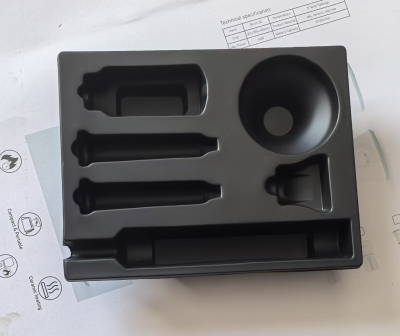
Eco-Friendly PLA Blister Packaging: The Complete Guide for B2B Brands
Sustainable Packaging: Why PLA is the Future of Blister Packaging
As global regulations on single-use plastics tighten, B2B brands are actively searching for sustainable alternatives. Polylactic Acid (PLA), a biodegradable plastic derived from renewable cornstarch or sugarcane, has emerged as the premier eco-friendly option for vacuum forming and blister packaging.
Key Takeaway: The PLA Performance Advantage
PLA offers visual clarity comparable to PET, high stiffness, and is 100% compostable under industrial composting conditions. It allows brands to meet ESG requirements without sacrificing product presentation.
The Manufacturing Challenges of PLA Blister Packaging
Unlike traditional PET and PVC sheets, PLA is highly temperature-sensitive. During the thermoforming process, PLA sheets have a narrower thermal processing window. Traditional heating and cooling speeds can cause PLA to warp, recrystallize, or lose clarity. Working with an experienced PLA blister manufacturer is crucial to achieving perfect results.
What temperature is used for PLA thermoforming?
PLA sheets are typically thermoformed at a mold temperature range between 60°C and 85°C. Precise heating controls are required to avoid overheating, which degrades the polymer chains.
Is PLA packaging as clear as standard PET plastic?
Yes, thermoformed PLA exhibits exceptional optical clarity, matching PET and surpassing PVC, making it ideal for food-grade cupcake boxes, cosmetic packaging, and electronic clamshells.